Varieties
Turkish Apple Varieties
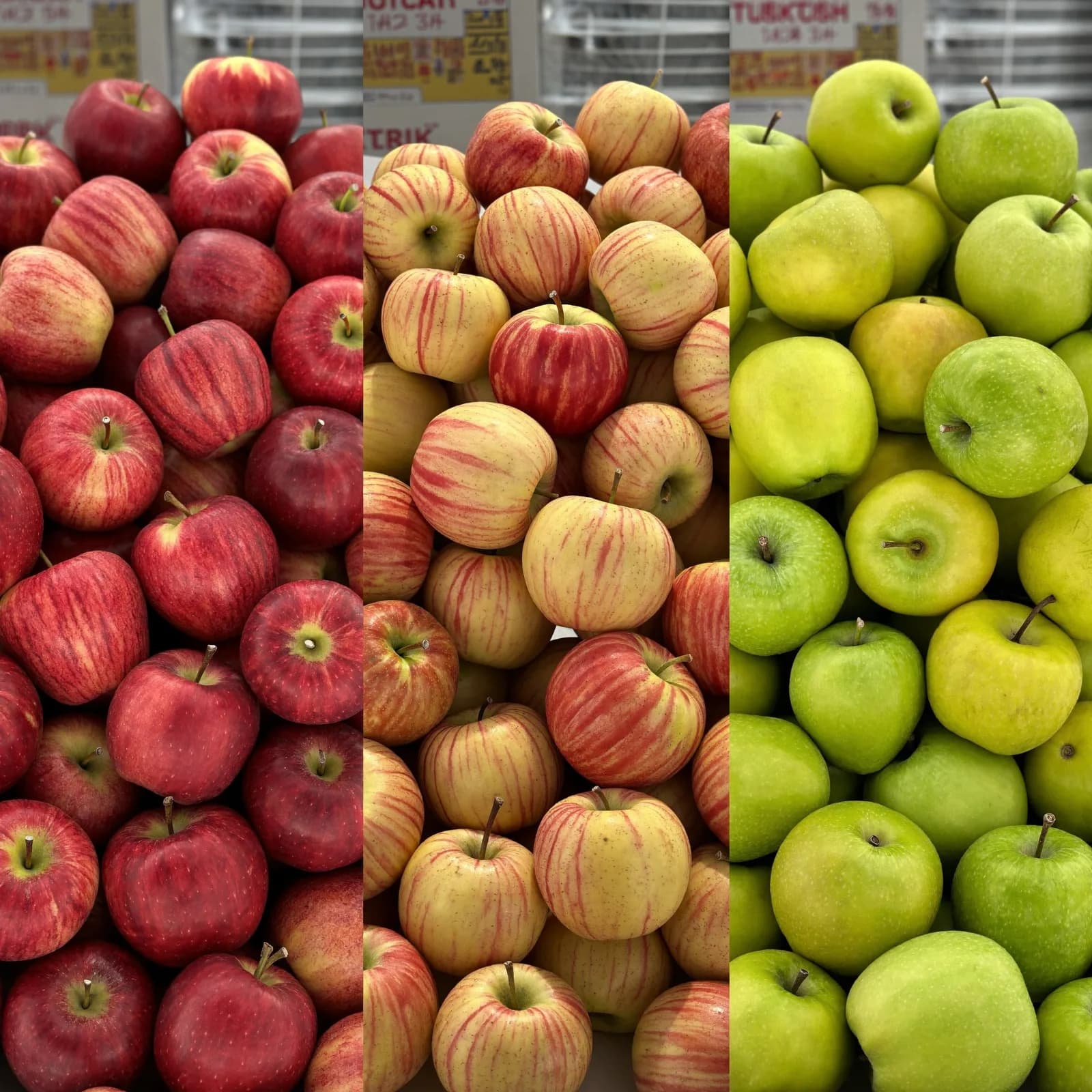
Red Apples
Red apples are the backbone of Turkish apple exports and remain one of the most commercially important segments in the entire category. In supplier language, this line typically includes Red Delicious types and similar red selections traded mainly on the basis of colour, appearance, calibre and packing style. In many export markets, Turkish red apples are the first product buyers associate with the category.
The commercial strength of red apples comes from visual familiarity. They are easy to place, widely recognised and broadly accepted in wholesale trade. In many markets, especially where traditional buying patterns still dominate, red apples remain the safest entry point into a Turkish apple program. They work well in open wholesale markets, distribution channels and standard retail assortments where strong red presentation is a core selling factor.
At the same time, buyers should not treat all red apples as identical. A red apple program only works when the specification is clear. Colour intensity, shape profile, calibre range and packaging format all matter from the beginning. A supplier offering Turkish red apples should be able to define those points clearly, because one red line may look commercially attractive on paper while performing very differently in practice.
Gala Apples
Gala is one of the most market-friendly apple varieties in modern fruit trade and has become an increasingly relevant part of Turkish supply programs. Compared with more traditional red lines, Gala offers a more modern commercial profile and often fits better in retail-driven channels where consumer appeal, attractive shape and approachable sweetness matter.
For buyers looking for Turkish apple varieties with broad shelf appeal, Gala is a practical and flexible option. It fits programs that want a contemporary apple line rather than a purely commodity-style red category. It can work especially well in markets where consumers respond to cleaner presentation, balanced sweetness and a familiar international variety name.
Fuji Apples
Fuji adds a sweeter and more premium-leaning profile to the Turkish apple varieties category. In export terms, Fuji matters because it gives suppliers access to a different buyer need: apples with stronger eating quality, a more consumer-oriented image and a profile that often feels more modern than traditional commodity varieties.
For some buyers, Fuji is not the main volume line, but it is strategically valuable. It diversifies the offer, strengthens mixed-variety programs and helps importers present a broader portfolio to their own customers. In the right market, Fuji can improve the commercial image of Turkish apples by showing that the category is not limited to standard wholesale fruit only.
Golden Apples
Golden remains one of the most important yellow apple varieties in Turkey’s export mix. It is commercially valuable because it works across multiple channels, including wholesale, retail and food service. For buyers who do not want to build a program focused only on red apples, Golden provides a reliable and versatile alternative.
One of the reasons Golden stays relevant is its flexibility. It can be placed across different customer groups and can support a broad range of sales structures. For some buyers, Golden is not a secondary line at all, but a core part of the assortment. It adds visual diversity, balances the offer and helps create a more rounded product mix.
Granny Smith Apples
Granny Smith holds a clear place within Turkish apple varieties as the main green apple line. It serves buyers who want firm texture, fresh acidity and a visually distinct category compared with red and yellow apples. In mixed variety programs, Granny Smith is useful because it completes the assortment and gives importers access to a product segment that serves different customer preferences.
This variety is important not because it replaces red or yellow apples, but because it adds contrast and category depth. Some markets specifically require green apples as part of the standard range. Others use them to diversify retail presentation or respond to stable demand from buyers who prefer a fresher, more acidic taste profile.
Choosing the right Turkish apple variety
The right variety always depends on the destination market, the sales channel and the commercial expectations of the buyer. Some customers prioritize strong red colour and classic appearance. Others want a sweeter retail variety with more modern positioning. Others still need a balanced assortment built around red, yellow and green lines.
That is why variety selection should never be separated from specification. A serious sourcing request should combine Turkish apple varieties with the key commercial details: calibre range, colour level, packaging type, quantity, destination and loading window. Without those details, variety names alone do not mean much. With them, the supplier can prepare a real offer instead of a vague list.
Turkish apple varieties matter because they give buyers flexibility inside one origin. With the right combination of Red Apples, Gala, Fuji, Golden and Granny Smith, Turkish suppliers can support a wide range of export programs across different markets and commercial channels. That is exactly what makes the category strong: not just production volume, but a usable assortment built for international trade.