Export
Turkish Apple Export
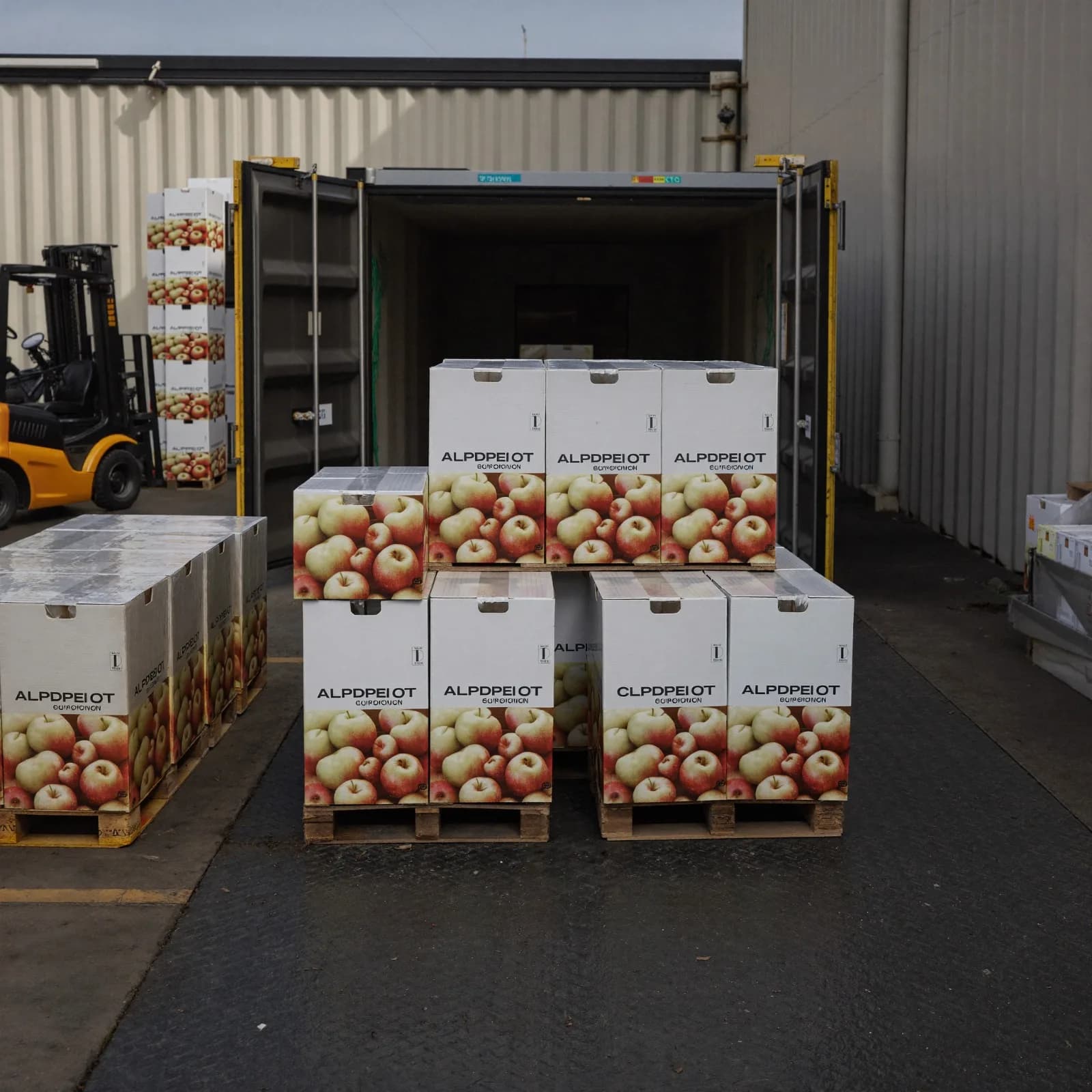
Scale of Turkish apple export
Turkey is one of the major apple-producing countries in the world, and apple export is an important part of that position. In recent years, Turkish apples have been shipped in large commercial volumes to many international markets. This has made Turkey one of the important apple-exporting origins alongside other major suppliers.
Export volumes can change from season to season. Weather conditions, crop size, fruit quality and international demand all affect how much fruit is available for export. In difficult years, such as seasons with frost, hail or drought, export volumes can fall because a smaller part of the crop meets fresh export standards. In stronger seasons, Turkey is able to serve a wider range of foreign markets with better volume and greater variety availability.
Main export markets for Turkish apples
Turkish apples are exported to different parts of the world, but some markets are more important than others. India has become one of the biggest destinations for Turkish apple export in recent seasons. Turkish red apples are especially important there because they fit the needs of wholesale markets and retail channels.
The Gulf region is also an important destination. Countries such as Saudi Arabia, the United Arab Emirates, Kuwait and Qatar import Turkish apples for both standard and higher-quality market segments. These markets often require clear grading, good colour and reliable packaging.
Iraq, Jordan and other Middle Eastern markets also play an important role in Turkish apple export. They often take solid commercial volumes and remain important regional destinations. In addition, some European markets import Turkish apples, especially when the fruit is competitive in quality, timing and price. Other developing markets in Asia and nearby regions also create export opportunities for Turkish suppliers.
Main export regions inside Turkey
Turkish apple export is closely connected to the main production provinces. Isparta, Karaman and Niğde are among the most important apple regions in the country. These areas are known not only for apple production, but also for packing houses, cold storage facilities and export preparation.
This is important because export fruit needs more than harvesting. Apples must be sorted, packed and stored correctly before shipment. Regions with better infrastructure are usually in a stronger position to support international trade and longer-distance deliveries.
How Turkish apple export works
The Turkish apple export process follows several connected steps. First, apples are harvested at the right stage of maturity. After harvest, they are moved for cooling, sorting and grading. At this stage, apples are separated by variety, size, colour and visible quality.
After grading, the fruit is packed into export packaging. Common formats include 13 kg cartons, tray packs and 18 kg bushel-style cartons. The packed apples are then placed in cold storage to keep freshness and firmness before loading.
When the shipment is ready, the apples are prepared for export dispatch. They are loaded into refrigerated trucks or reefer containers, depending on the route and destination. These shipments then move to the port, cross the customs process and continue to the importing country.
Documents in Turkish apple export
Documentation is a basic part of Turkish apple export. Fresh apples usually need several export documents in order to move legally and correctly to another country. One of the most important is the phytosanitary certificate, which confirms that the shipment has been inspected and meets plant health requirements.
Other common documents include the commercial invoice, packing list, certificate of origin and bill of lading or other transport document. Some destinations may also require extra certificates depending on local import rules, food safety standards or retail requirements.
Because document rules can vary by country, export requirements are not always exactly the same for every market. A shipment to one destination may need a different document set than a shipment to another.
Cold chain and transport
Cold chain management is one of the most important parts of Turkish apple export. Apples are sensitive to temperature, time and handling conditions. Good cooling after harvest and correct cold storage help keep the fruit firm and fresh for a longer period.
During export transport, reefer containers or refrigerated trucks are used to protect the apples. If temperature control is poor, the fruit can lose firmness, shelf life and market value before arrival. For this reason, transport quality is closely linked to export quality.
The final condition of Turkish apples at destination depends on many connected factors: harvest timing, storage type, loading condition, transit time and reefer performance. Export is therefore not only about sending the fruit, but about keeping its quality stable during the whole journey.
Turkish apple export as a commercial system
Turkish apple export should be seen as a structured commercial system. It combines production, grading, packaging, storage, logistics and documentation into one process. The strength of this system affects how Turkish apples compete in international markets.
Different varieties, sizes and quality levels can serve different export channels. Some shipments are prepared for wholesale trade, while others are packed for more demanding retail programs. This means Turkish apple export is not one simple category, but a broad export activity linked to many market needs.
For this reason, Turkish apple export is an important part of the country’s fresh produce sector. It shows how Turkish apples move from orchard regions to foreign markets through an organised chain of preparation, certification, shipment and delivery.